Mar 29, 2017
HVAC Design for Humid Climates

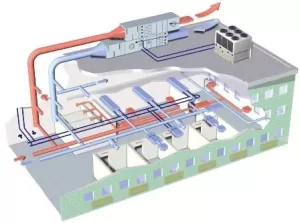 Humid climates commonly come with the challenge of moisture standards. When HVAC (heating, ventilation, and air-conditioning) systems do not maintain proper moisture conditions/humidity control, it causes damage and defects to the building.
A humid climate is defined as a condition where the average monthly latent load (energy required to remove moisture from the air) of the environment’s air is the same as or higher than the average monthly energy needed to cool the air during the cooling season. Using air with high latent load easily brings moisture in and accumulates it in building materials.
Maintaining humidity control isn’t an easy task. The HVAC unit has to be able to support a proper pressurization system using dehumidified air to enter the building. In order to provide the right dehumidification, an HVAC system must be able to dehumidify the air that flows across the cooling coil (which means the precise sizing of the cooling coil must be selected to meet the load of both outside and return air). That is not the only criterion that an HVAC system needs to fulfill, though. The system must also meet sufficient run time to remove moisture from the interior air. In a humid condition, temperature control is not enough. Moisture control comes second on the priority list ( though this has to be fulfilled without sacrificing the main goal of giving comfortable temperature to users).
In geographical areas with humid weather, such as in the southeast, public housing generally uses chilled water and direct expansion for the cooling system. This requires an outdoor condenser unit to exchange heat to the outdoor air.
Reference:
https://sid.siemens.com/api/khub/documents/YncsGPzvklxd_lipwFMkSQ/content
http://www.tandfonline.com/doi/abs/10.1080/01998590309509232?journalCode=uene20
"*" indicates required fields