Siemens Software Tools
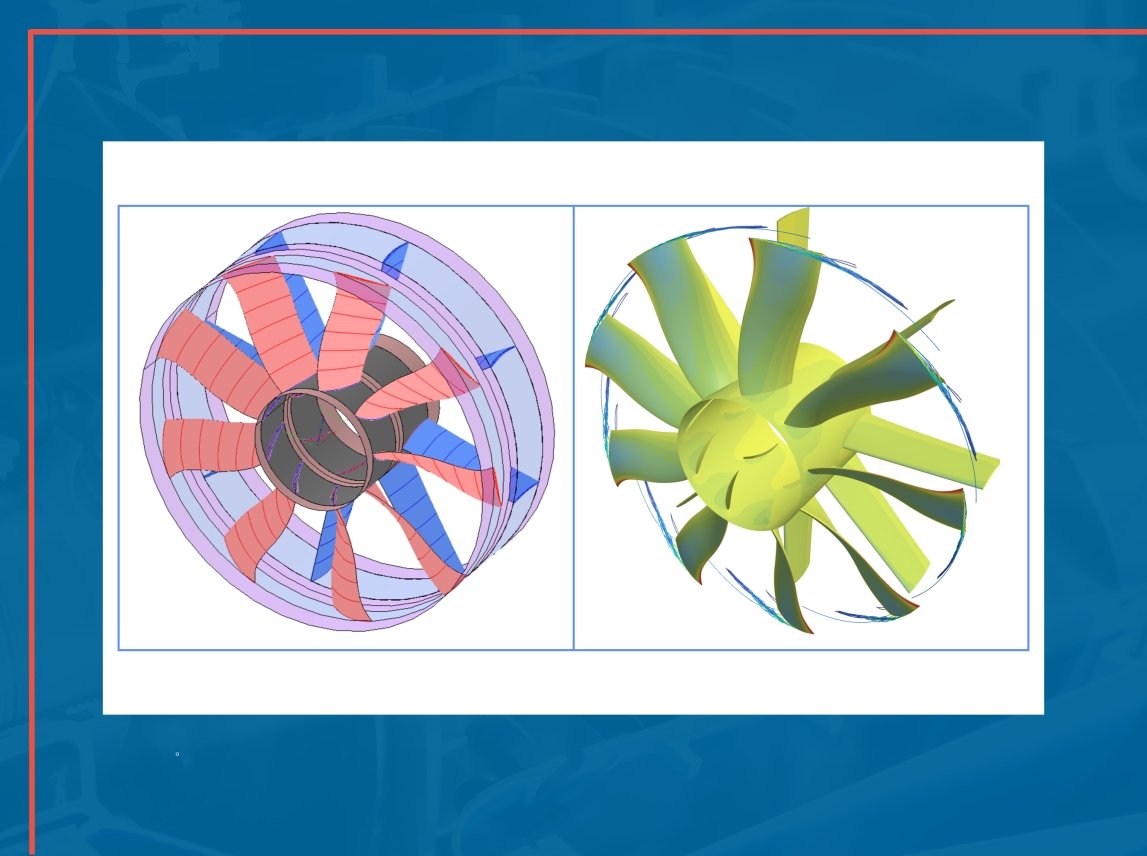
Siemens software tools deliver high-fidelity multiphysics CFD, advanced 3D structural simulation, robust product modeling, and comprehensive product lifecycle management.
Through Siemens software tools, engineers gain an advanced ecosystem for designing and optimizing high-performance energy and propulsion systems more efficiently. Seamlessly integrated and automated workflows accelerate the entire development process, enabling teams to move from design concepts to hardware while reducing time and cost.
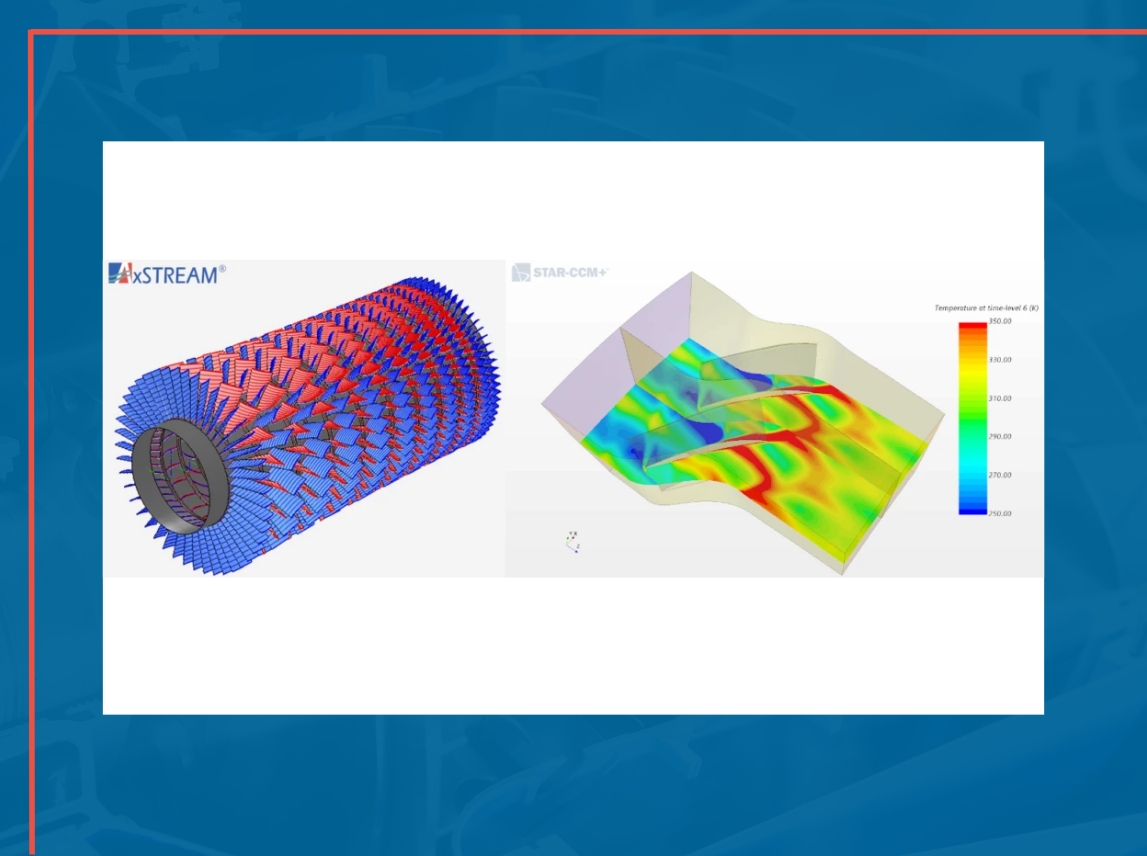
Unlock the ultimate engineering toolbelt by combining the AxSTREAM platform with Siemens software, supporting a continuous workflow from preliminary turbomachinery design through production-ready engineering and product lifecycle management.
Core Siemens Software Capabilities
Multiphysics CFD with Simcenter STAR-CCM+
For High-Fidelity Simulation Across Complex Engineering Applications
Capabilities:
- Import, clean, and prepare complex geometries and generate high-quality surface and volume meshes using automated, robust meshing workflows.
- Maintain CAD-to-mesh associativity to keep simulation models synchronized with geometry updates and enable seamless handoffs from AxSTREAM to STAR-CCM+.
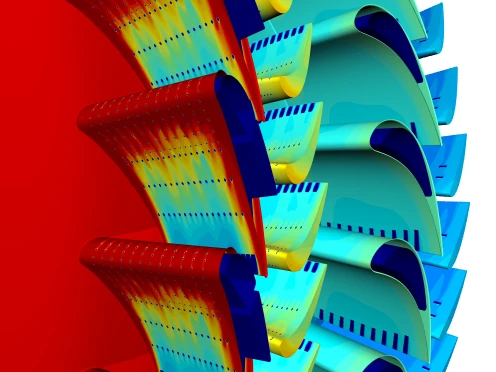
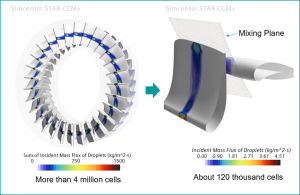
- Simulate real operating conditions with fully coupled multiphysics CFD, including flow, heat transfer, turbulence, combustion, multiphase behavior, and rotating machinery.
- Evaluate thermal loading and fluid–solid interactions using conjugate heat transfer and fluid-structure interaction analyses.
- Solve steady and transient compressible turbulent flows with high numerical accuracy and adaptive mesh refinement in critical regions.
- Accelerate high-fidelity simulation workflows through automated preprocessing, solver execution, postprocessing, and controlled design studies.
- Scale high-fidelity simulations using GPU acceleration, HPC clusters, and cloud computing to reduce turnaround time.
Advanced Structural Simulation with Simcenter 3D
High-Fidelity Mechanical Analysis Across Complex Products and Systems
Capabilities:
- Prepare simulation-ready models using CAD-linked geometry tools, defeaturing, midsurfacing, and automated adaptive meshing to reduce manual rework and setup effort.
- Maintain associative links to CAD and upstream tools to keep structural simulation models synchronized with design updates and AxSTREAM-generated geometries.
- Evaluate structural, thermal, and motion behavior within a single unified environment using validated, industry-proven solvers.
- Perform linear and nonlinear static and dynamic analyses, including contact, material nonlinearity, vibration, fatigue, acoustics, and durability assessments.
- Analyze rigid and flexible multibody systems to assess motion response, vibration behavior, and system-level mechanical interactions.
- Model advanced materials, composites, and manufacturing effects including laminates, draping, additive manufacturing, welding, forming, and forging to ensure manufacturability and structural reliability.
- Connect structural simulation data to the broader digital thread and PLM environment, integrating Teamcenter to support traceability, collaboration, and reuse across the product lifecycle.

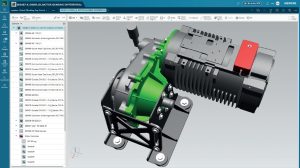
3D Product Modeling with NX CAD
Assembly-Driven Mechanical Design
Capabilities:
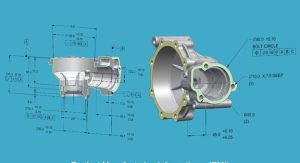
- Design detailed 3D components using parametric, freeform, and surface modeling with synchronous technology, and validate fit and mechanical relationships within full product assemblies.
- Import CAD data from other design tools and leverage sketches or 2D layouts to support efficient creation and integration of detailed 3D geometry.
- Accelerate repetitive tasks through automation and software customization while reducing manual rework and maintaining design consistency across the design cycle.
- Generate 2D drawings and engineering documentation that streamline the handoff from design to manufacturing.
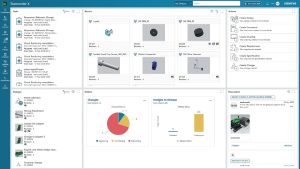
Product Lifecycle Management with Teamcenter PLM
Digital Thread Management and Product Data Governance
Capabilities:
- Manage a single, authoritative library of engineering and manufacturing data to ensure consistent product definitions across programs, variants, and lifecycle stages.
- Leverage and maintain a complete digital thread linking requirements and systems models to manufacturing definitions with full traceability and design control.
- Support structured collaboration across multidisciplinary teams using built-in workflows, change management processes, formal reviews, and role-based access control.
- Control product evolution through robust versioning and change management to reduce errors caused by disconnected systems and unmanaged design changes.
- Organize and manage bills of material (EBOM, MBOM), manufacturing process plans, and production data within a governed PLM environment.
- Track project milestones, deliverables, risks, and product readiness using integrated program and portfolio management tools.